
AI and Therapy: why it's no replacement for human connection
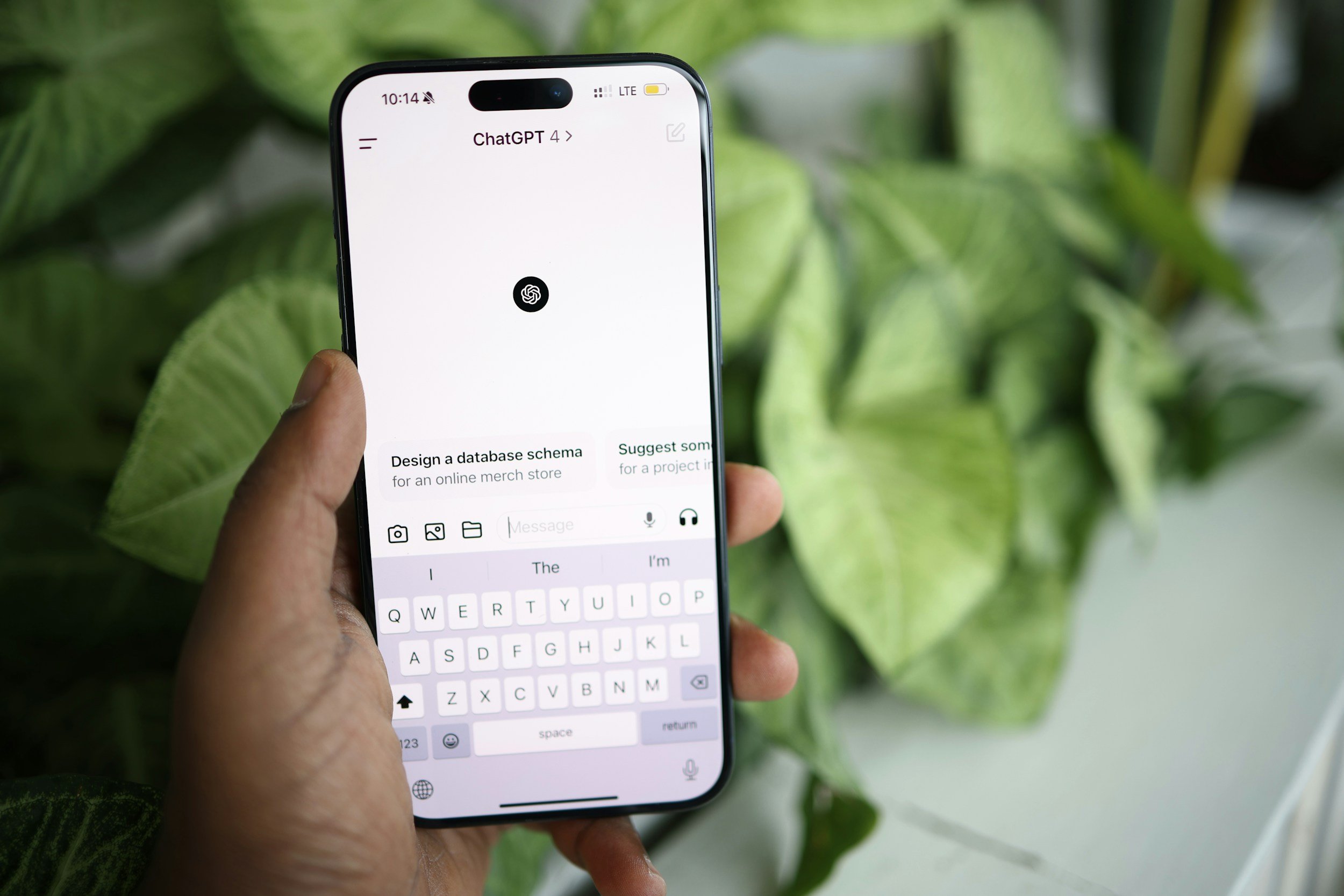
Colour photo of a hand holding a smart phone showing chatGPT
AI can sound thoughtful and even kind when you type your worries into it at 2 o’clock in the morning, but it can't replace the human connection that real therapy depends on. Understanding why comes down to what actually happens between two people in a room, not just the words exchanged.
What does therapy actually rely on?
Therapy isn't only about talking out your problems. It's about what happens between two nervous systems in a room together - even a virtual one where you can still see a face and hear a pause before someone speaks. A huge amount of what helps a client change isn't the content of what's said but the quality of being met by another person who is genuinely affected by what they hear. That affect, that flicker of real feeling in another human being, can't be manufactured by a system that has no stake in your life and nothing to lose.
Why can't AI replicate that?
Attachment theory gives us a useful way to think about this. What repairs old relational wounds is a new relational experience; one where you bring something difficult and another person stays present with you through it without collapsing or pulling away. A machine can simulate steadiness because it has nothing to be destabilised by in the first place. There's no risk in its response, and without risk there's no real repair. It can mirror your words back at you fluently, but mirroring isn't the same as being known.
There's also something worth naming about how easy AI is to use. It's always available, never tired, never irritated, never distracted by its own life - and it often tells you what you want to hear. That can feel like the ideal companion, but a relationship with no friction and no limits doesn't actually teach you much about how to be with people who do have needs and moods and bad days of their own. Part of what therapy offers is the chance to practise being in relationship with someone who is fully human, imperfect and present at the same time.
Is there any place for AI in mental health support?
None of this means AI has no place at all. It might help someone organise their thoughts before a session, or offer company in a lonely moment. But it isn't a substitute for the specific, unrepeatable experience of being understood by another person who chose to show up for you and a chance to experience build a secure attachment system - sometimes referred to as ‘earned secure attachment’. That kind of connection is slower to build and harder to find, and it's also the thing that actually changes people.
I offer a free, no-obligation 15 minute chat to anyone considering counselling in Norwood Junction, SE25 or online throughout the UK. No pressure or commitment, just a conversation to see if we're a good fit.
