
Feeling nervous about being sober at Christmas
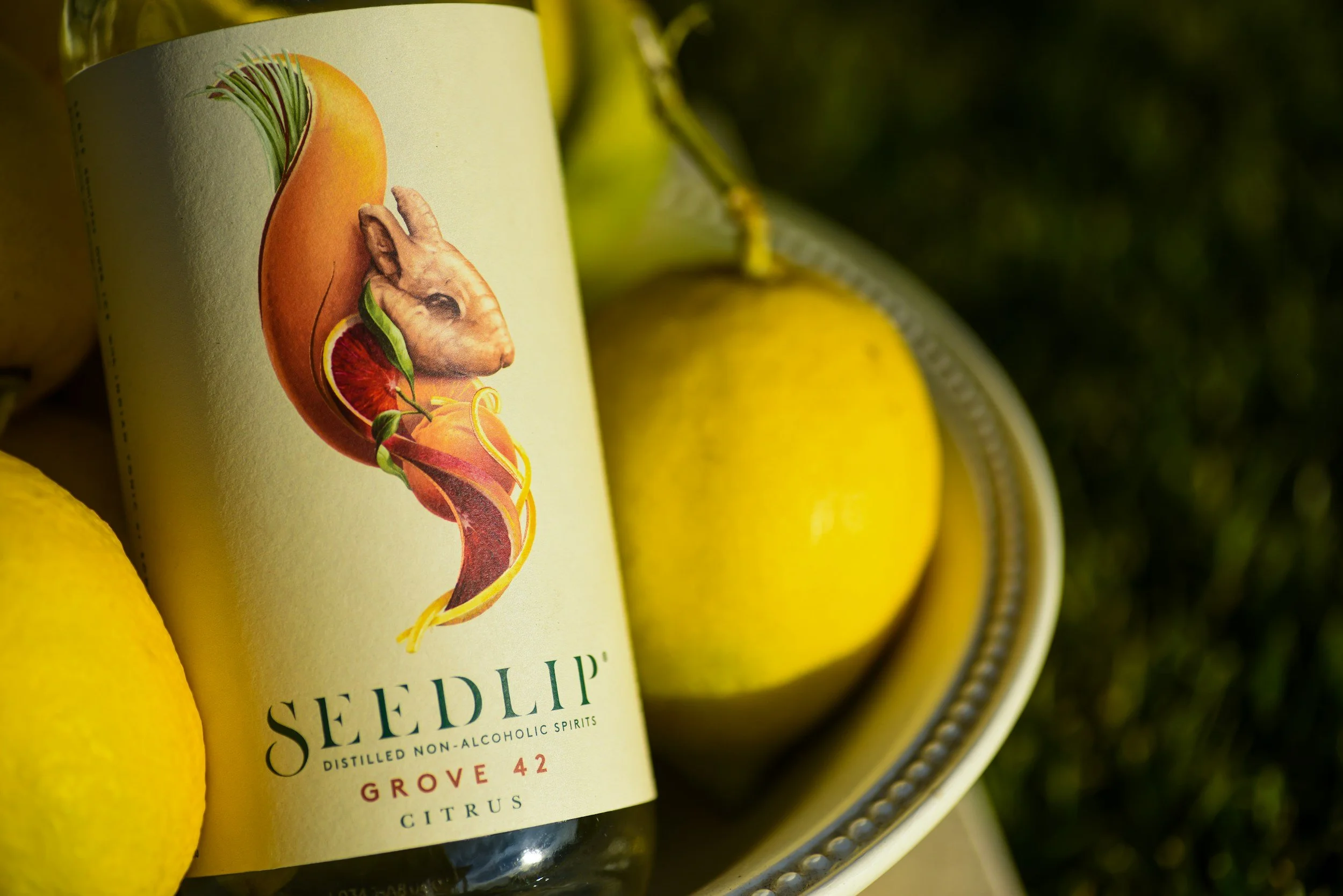
A bottle of non-alcoholic spirit and 2 lemons in a bowl
Staying sober at Christmas can bring up a kind of anxiety that feels difficult to name. On the surface, it’s just another celebration, but underneath it sits a mixture of memories, expectations and pressure. For many people, the festive season has always been tied to drinking. Work parties, family gatherings and evenings with friends often come with the assumption that everyone will have a drink in their hand. In our family, it was ok to drink in the morning starting the day with bucks fizz. That’s drinking in the morning - however you frame it! When you’re trying to stay sober, all of this can create a sense of unease long before December arrives.
The anxiety usually isn’t just about alcohol itself but rather about what sobriety represents. You may worry about standing out or being questioned. You might feel uncertain about how to belong in situations where drinking is the rhythm everyone else falls into. There may also be old habits that used to help you cope through tense family dynamics or busy social plans. Without alcohol as a buffer, everything can feel a little closer to the surface. That doesn’t mean you’ve made the wrong choice. It simply means you’re moving through the season in a different way, and your body is noticing the shift.
There’s also the inner voice that wonders how you’ll manage moments that were once softened by a drink. The first hour of a gathering, the tiredness at the end of a long day, the familiar discomfort that can settle in social spaces where you don’t feel entirely at ease. These moments can make you question yourself, even if you’re deeply committed to staying sober. What you’re feeling is understandable. You’re meeting life more directly than before, and that takes courage.
It can be grounding to remember why you chose sobriety in the first place. Maybe it was for your health, your relationships, your clarity, or simply the wish to feel more like yourself. Those reasons don’t disappear just because Christmas is approaching. If anything, they often become more important. Sobriety can offer a steadiness that alcohol never really provided. It can give you a clearer sense of what you genuinely enjoy, who you feel safe with and what kind of pace actually works for you.
Being honest with yourself helps. Notice when you feel tense or tempted, and treat that awareness with care rather than criticism. You might find it helpful to have an exit plan for gatherings, or to stay close to people who support your choice without making it a big conversation. You might also find that staying full, having sweets, taking breaks or stepping outside for a moment of air helps - all cravings pass eventually. Plus, there are a great variety of non-alcoholic drinks on the market nowadays so there’s no need to feel ‘othered’ by what’s in your glass (not that it’s anyone else’s business……)
Christmas without alcohol can feel strange at first, but it also opens space for a different kind of presence. You may find you remember conversations more clearly, feel more rested afterwards or discover new ways of connecting that don’t rely on drinking. It’s okay if it still feels wobbly. You’re learning how to support yourself in a season that carries a lot of emotional history. With time and honesty, that anxiety usually softens, and what’s left is a quieter, more grounded sense of being yourself.
For further support there are a tonne of online support meetings - often around the clock on the hour, every hour. Check out www.AA.org and www.worldwidesecularmeetings.com/meetings for details.
