
What change looks like in therapy
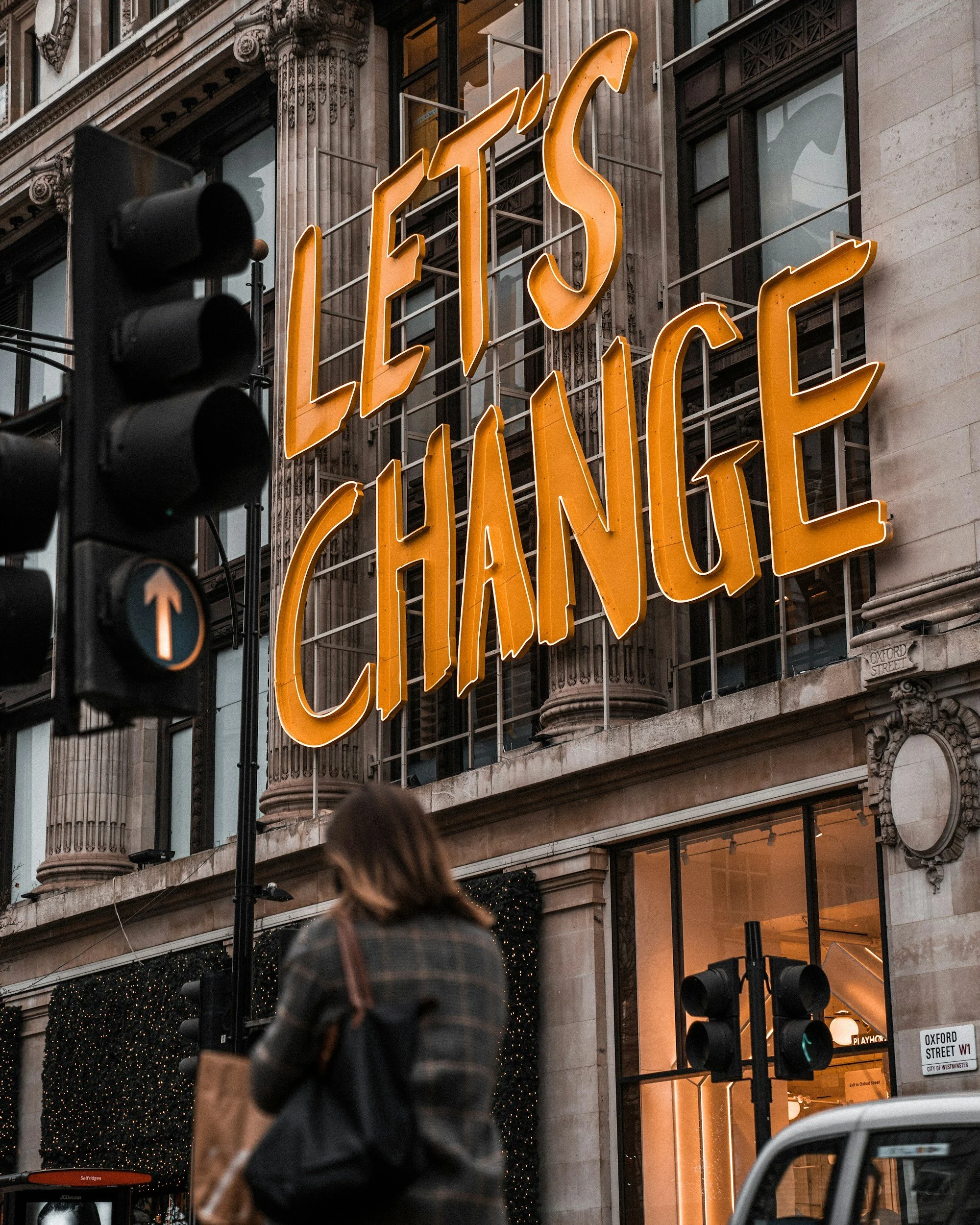
People often come to therapy with a clear picture of what they want to be different. They want to feel less anxious, stop repeating the same patterns in relationships, or finally shake the sense that something about them is fundamentally not quite right. What they rarely anticipate is how gradually - and often unexpectedly - change tends to arrive, and how different it looks from what they had imagined.
Change in therapy is rarely a single moment of breakthrough. It is not usually the session where you cry harder than you have in years, or those lightbulb moments where a particular insight seems to resonate, though those moments do matter! They are more like punctuation in a much longer story, and the real shifts tend to happen in the ordinary weeks in between in ways that are easy to miss.
One of the first signs is a new kind of noticing. You might find yourself pausing before reacting, catching a familiar feeling before it has already carried you somewhere you did not mean to go, recognising a pattern while you are still inside it rather than only in hindsight. That pause, modest as it sounds, represents a genuine shift in your relationship with yourself and with the people around you.
Change also shows up in what you find you can tolerate. Feelings that once seemed overwhelming begin to become bearable, not because they have gone altogether, but because you are no longer quite so frightened of them. You might find you can sit with sadness without immediately reaching for a way out of it, or feel the full weight of something difficult without it hijacking you the whole day.
Then there is the way change shows up in your relationships. You might find yourself able to ask for what you need without it feeling risky, or notice that old dynamics which once repeated themselves without question are beginning to feel more like a choice. There may even be people in your life who sense something has shifted before you have named it yourself.
It is also worth saying that change is not always comfortable. As things begin to move, a period of disorientation can follow, because a way of managing the world that has served you for a long time may no longer feel necessary, and releasing it can carry its own grief. This is rarely a sign that something has gone wrong; more often it is a sign that something genuine is taking place.
Therapy works in large part because the relationship with your therapist becomes a place to practise being honest, to experience rupture and repair, to risk being more fully known. What happens in the room does not stay only there. Over time, it begins to travel into the rest of your life. Change in therapy rarely looks the way people imagine when they begin. It is less like a bolt of lightning and more like someone very slowly changing the dimmer switch in a room. One day you notice things feel different, often they have been changing for a while.
