
What is self care and why is it necessary?
Self-care has become one of those phrases that gets used so often it has almost stopped meaning anything. It appears on social media alongside images of candles and bubble baths, packaged as something you purchase or schedule in; a reward for getting through the week rather than something woven into the fabric of how you live. The reality of what self-care actually involves is conversely more ordinary and more demanding than that.
At its core, self-care is about attending to your own needs with the same seriousness you might bring to the needs of someone you love. (I like to think of my young nieces and nephews). It is the practice of noticing when you are depleted and responding to it, rather than overriding it because there is always something more pressing, or because rest feels like something you have to earn. For many people even noticing that is harder than it sounds, particularly if you grew up in an environment where your needs were regularly placed last, or where pushing through was worn as a badge of honour.
This is where therapy and self-care often meet. Many people arrive in my room having spent years attending expertly to everyone around them whilst remaining genuinely out of touch with what they themselves are feeling, needing, or carrying. When enquiring about self-care I have literally been asked, “what do you mean…?” Learning to care for yourself is not simply a matter of doing more relaxing things, though rest certainly matters. It involves developing a different kind of relationship with yourself, one that is less critical, less dismissive, and more honestly attentive.
Self-care also means recognising your limits without shame. It means being able to say that you are struggling before you reach a point of crisis, and understanding that maintaining your own wellbeing is not a luxury or a form of self-indulgence. When you are consistently running on empty, everything suffers: your work, your relationships, your capacity to be present with the people who matter to you. There is nothing noble about depletion.
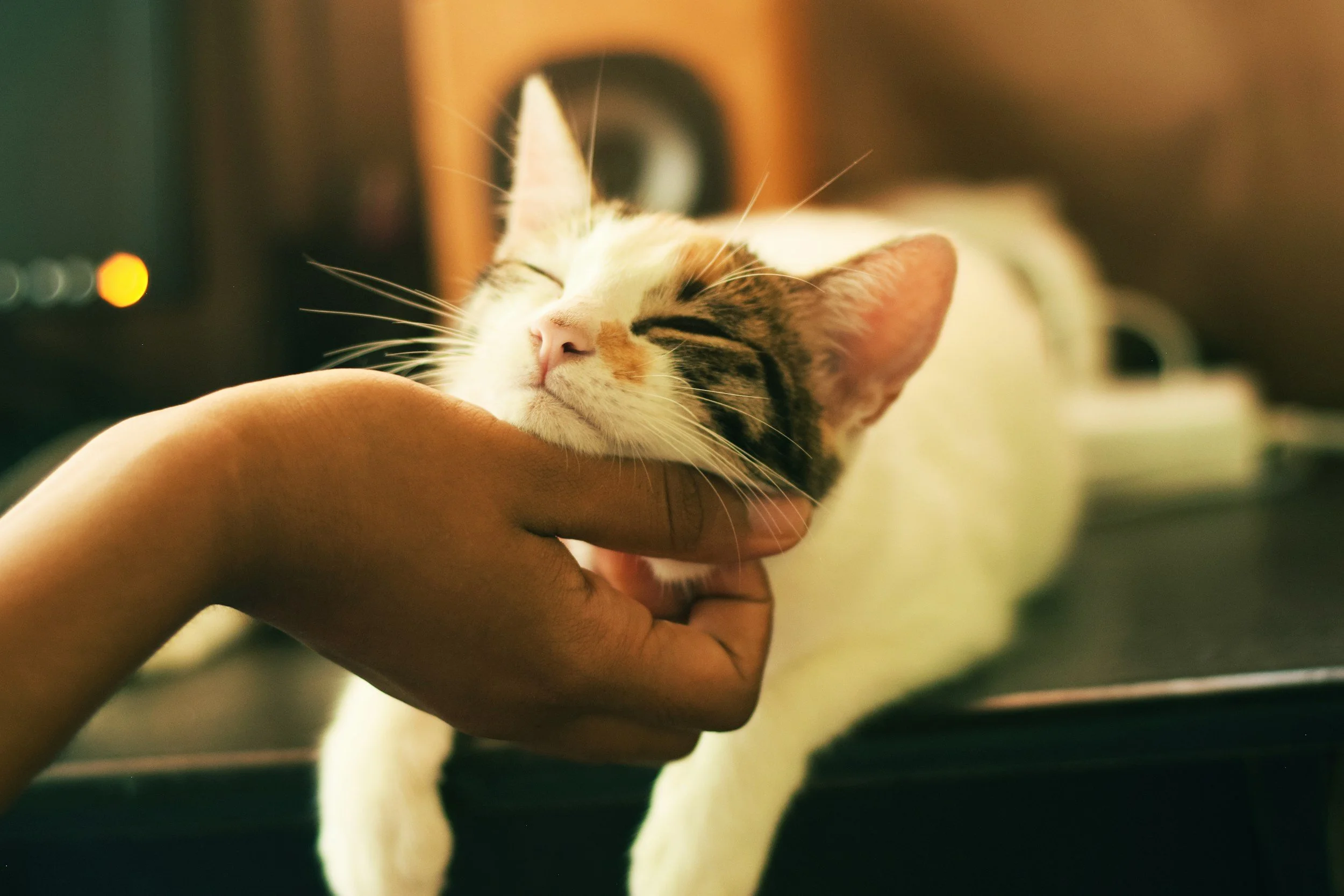
It is also worth acknowledging that self-care looks different for everyone, and that it shifts depending on what life is asking of you at any given time. For one person it might mean protecting time to be alone; for another it might mean deliberately seeking connection rather than withdrawing. It can be as simple as stopping and thinking: “ooh, I’m actually really thirsty”…or “I really need to eat”. It could be a cuddle with a beloved pet which reduces cortisol and releases oxytocin. What matters is that it comes from genuine self-knowledge rather than from a list of things you feel you ought to be doing. Ask yourself regularly: “what do I need right now?”
Caring for yourself is not the opposite of caring for others. Rather, it is the very thing that makes sustained care for others possible at all, and learning to do it with less guilt and more intention is often some of the most important work there is.
